


Yamaha MT-09 hästkrafter: direkt svar och fullständig motoröversikt
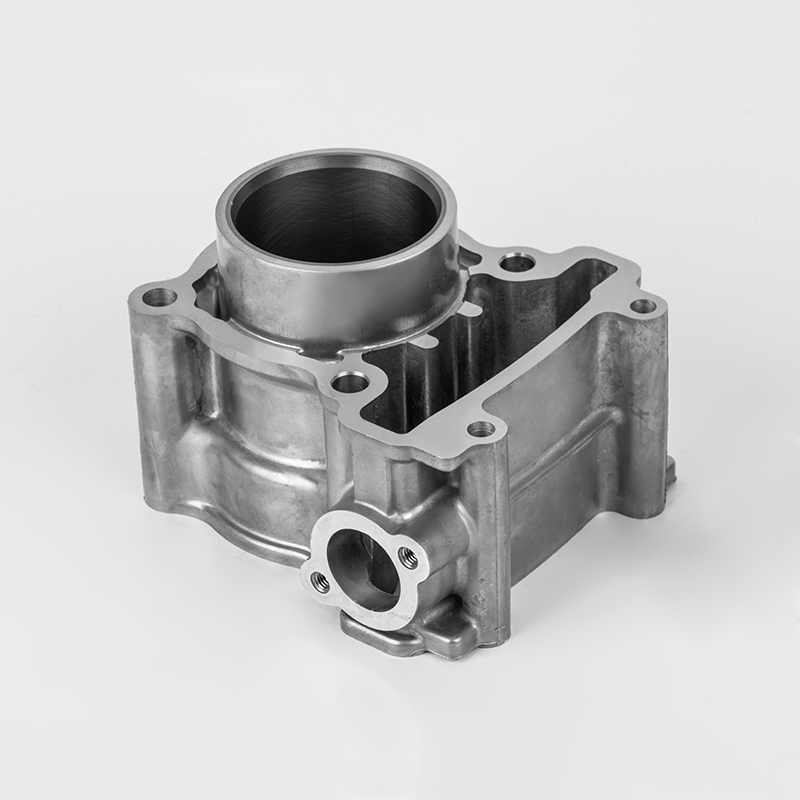
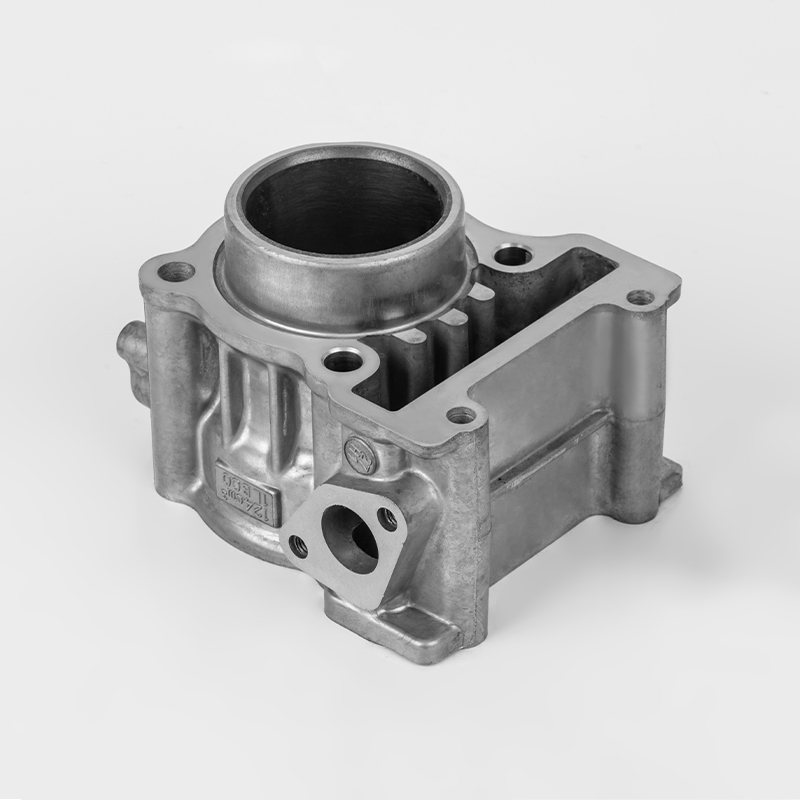
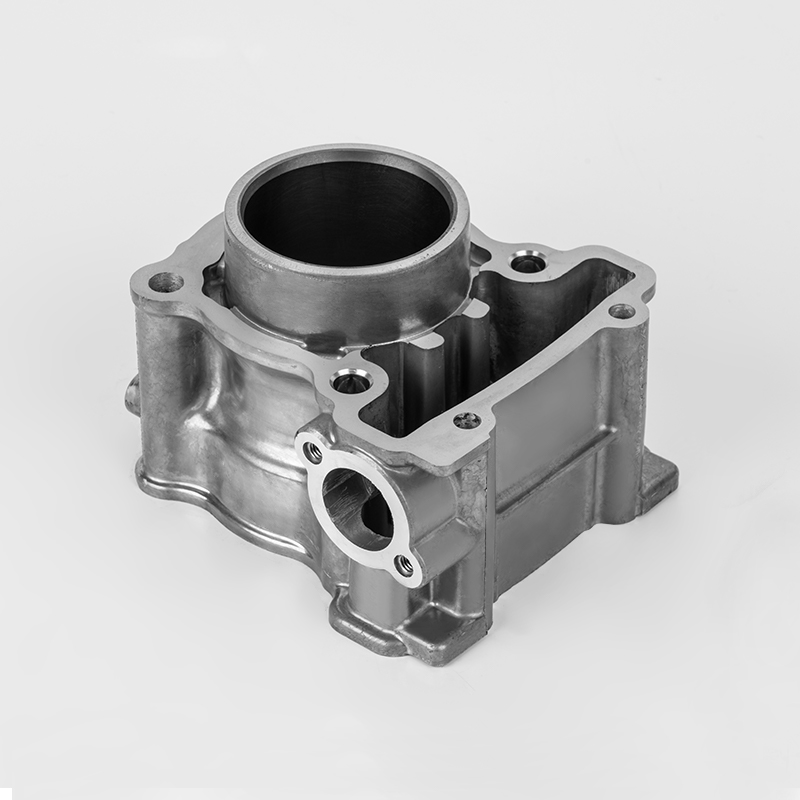
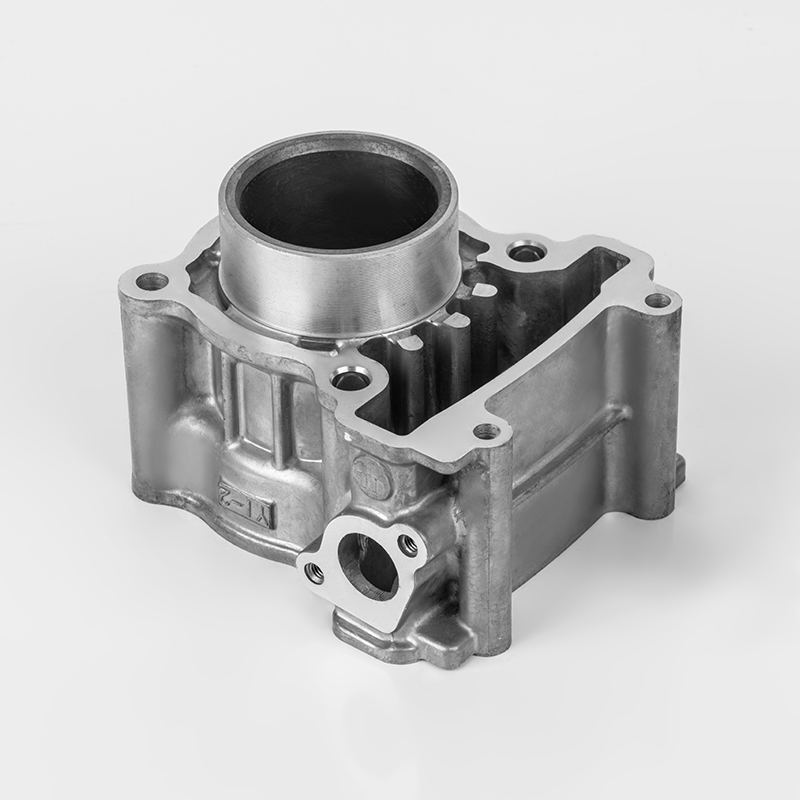
Den nuvarande Yamaha MT-09 producerar 119 hästkrafter (87,5 kW) vid 10 000 rpm , tillsammans med 93 Nm (69 lb-ft) vridmoment vid 7 000 rpm. Denna kraft kommer från Yamaha motorcykelcylinder konfiguration som definierar MT-09-plattformen: en 890cc vätskekyld fyrtakts DOHC inline-trea med en tvärgående vevaxel. Cykeln började tillverkas 2014 med en version på 847 cc som gjorde cirka 114 hk, och motorn gjordes om väsentligt för 2021 när cylindervolymen växte till 890 cc, vilket pressade effekten till sin nuvarande siffra på 119 hk. Det hoppet kom inte enbart från obearbetad slagvolym – det kom från en omfattande omtanke av cylinderarkitekturen, förbränningsgeometrin och ventiltimingen som Yamahas ingenjörer tillämpade över hela Yamahas motorcykelcylinderenhet.
Varför Yamaha valde en trecylindrig layout för MT-09
Valet av tre cylindrar var medvetet och högt beräknat. En parallell-tvilling på 890cc skulle ha producerat tyngre avfyrningspulser och mer vibrationer utan de förfiningsköpare som förväntas vid denna prispunkt. En fyrcylindrig med liknande slagvolym skulle ha krävt ett längre, tyngre motorblock, som lagt till både massa och bredd – precis vad MT-09:s lättviktsfilosofi inte hade råd med. Inline-trean träffar en specifik sweet spot: den erbjuder jämnare kraftleverans än en tvilling, ett smalare och lättare paket än en fyrcylindrig, och en distinkt avgasnot som har blivit en av cykelns starkaste identitetsmarkörer.
Avfyrningsordningen i en trecylindrig motor innebär att förbränningshändelserna är åtskilda 240 grader. Detta jämna avstånd, i kombination med Yamahas vevaxelkoncept, ger ett starkt vridmoment i mellanregistret samtidigt som kraften vid högt varvtal hålls intakt. Förare som spenderar större delen av sin tid mellan 4 000 och 8 000 rpm drar direkt nytta av denna egenskap. Vridmomentkurvan på MT-09 är särskilt platt - kraften spetsar och försvinner inte utan bygger progressivt och håller i sig, vilket gör att cykeln känns snabbare i verklig körning än vad råa siffror för topphästkrafter kan antyda.
Yamaha tillämpade först inline-tre-konceptet på XS750 och XS850 på 1970-talet, men det moderna MT-09 Yamaha motorcykelcylinderpaketet är ett helt annat djur. Moderna CNC-bearbetningstoleranser, avancerad metallurgi för kolvar och cylinderfoder och elektronisk bränsleinsprutning gör att Yamaha kan extrahera prestanda från en trecylindrig konfiguration som helt enkelt inte var möjlig under tidigare decennier.
| Konfiguration | Typiskt HP-sortiment | Karaktär |
|---|---|---|
| Inline-Three (MT-09) | 115–119 hk | Brett vridmoment, lätt |
| Parallell-Twin ~900cc | 90–105 hk | Low-end grunt, vibration |
| Inline-fyra ~900cc | 110–125 hk | Toppfokuserad, tyngre |
Inuti Yamaha MT-09 Cylinder Architecture: Vad gör 119 HP möjligt
Yamahas motorcykelcylinder på 890cc som driver den nuvarande MT-09 är uppbyggd kring en kombination av borrning och slag av 78 mm × 62,1 mm med ett kompressionsförhållande på 11,5:1. Detta representerar en meningsfull avvikelse från 2014–2020-motorn, som använde ett 78 mm hål men ett kortare slaglängd på 59,1 mm, vilket begränsar cylindervolymen till 847 cc. Att förlänga slaglängden på 2021-motorn gav Yamahas ingenjörer ytterligare slagvolym utan att vidga motorblocket, vilket bevarar de kompakta dimensionerna som gör MT-09 hanterbar i stadstrafik.
Varje cylinder i DOHC-huvudet bär fyra ventiler - två intag och två avgaser - för totalt tolv ventiler över motorn. Denna layout med fyra ventiler per cylinder förbättrar gasflödet jämfört med design med två ventiler, vilket gör att motorn kan andas mer effektivt vid högre varvtal utan att ge avkall på framkomlighet i låga hastigheter. De dubbla överliggande kamaxlarna styr insugs- och avgasventilhändelserna oberoende, vilket ger Yamaha exakt kontroll över tidsöverlappning, vilket direkt påverkar både effektuttag och utsläppsefterlevnad.
Crossplane-vevaxelns roll i kraftkaraktären
Den mesta uppmärksamheten som ges till Yamahas crossplane-teknologi fokuserar på deras fyrcylindriga supercyklar, men crossplane-konceptet i en trecylindrig motor fungerar annorlunda och tjänar ett distinkt syfte. I MT-09 är vevaxelns tapplägen anordnade för att ge ett oregelbundet avfyrningsintervall jämfört med en konventionell trecylindrig med jämnt avstånd. Resultatet är en mer organisk kraftpuls som liknar en big-twin vid låga hastigheter men skärps till något mer aggressivt när varvtalet stiger. Förare beskriver konsekvent MT-09:s kraftleverans som att den har mer "känsla" och "anslutning" än rivaliserande cyklar med konventionella vevaxelarrangemang. Detta är inte bara subjektivt – det översätts till mätbar dragkraftshantering på bakhjulen, eftersom motorns pulsegenskaper interagerar mer förutsägbart med traktionskontrollsystemet.
Downdraft intag och förbränningskammare Design
För 2021-motorn introducerade Yamaha ett insugsarrangemang för neddrag som drar luft nedåt i förbränningskammaren snarare än horisontellt. Denna orientering skapar en starkare luftflödeshastighet in i Yamahas motorcykelcylinder, vilket förbättrar laddningstätheten vid alla varvtalspunkter. I kombination med Yamahas Chip-Controlled Throttle (YCC-T) system kan motorhanteringen optimera gasspjällets position oberoende av förarens inmatning, vilket ger exakt bränslekontroll som tidigare förgasade eller till och med första generationens bränsleinsprutade motorer inte kunde uppnå. Resultatet är en påstådd förbättring av bränsleeffektiviteten med 11 % jämfört med 2020-modellen – från 44 MPG till cirka 49 MPG – utan någon minskning av toppeffekten.
MT-09 hästkrafter över varje generation: en tydlig utveckling
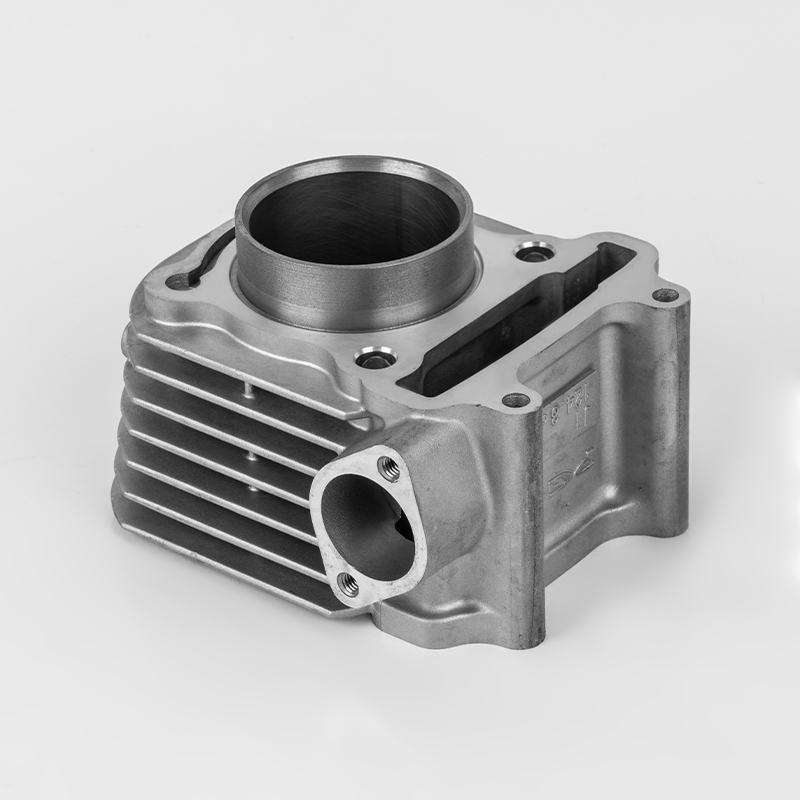
MT-09 har gått igenom tre distinkta motorgenerationer sedan lanseringen 2014. Varje generation har medfört mätbara förbättringar av specifikationerna för Yamahas motorcykelcylinder, och att förstå denna utveckling hjälper köpare att fatta välgrundade beslut oavsett om de handlar efter en begagnad modell eller utvärderar den senaste versionen.
Den ursprungliga MT-09 lanserades med en 847cc inline-trea som producerar 114 hk vid 10 000 rpm. Hålet sattes till 78 mm med 59,1 mm slag – en relativt kortslagskonfiguration som prioriterade varvningsförmågan. Vridmomentet uppskattades till 88 Nm vid 8 500 rpm. Bränsleleveransen kom via ett grundläggande gasspjällssystem, och motorn erbjöd tre körlägen (B, Standard och A) för att kontrollera gasens känslighet. En mild uppfräschning för 2017 förbättrade bränslebeteende och tillagd standard traction control, vilket tar upp två kritiker från den ursprungliga lanseringen.
För 2021 byggde Yamaha om motorn från grunden. Slag växte från 59,1 mm till 62,1 mm, vilket tog slagvolymen till 890 cc. Toppeffekten steg till 117 hk vid veven, med en bakhjulseffekt uppmätt till cirka 104 hk. Den fullständiga omdesignen berörde nästan varje inre komponent: kolvar, vevstakar, vevaxel, kamaxlar och vevhus var alla nya. Motorn var också 8 pund lättare än sin föregångare trots den ökade cylindervolymen, tack vare reviderade gjuttekniker och materialval genom hela Yamahas motorcykelcylinder. Ny IMU-assisterad elektronik debuterade i den här generationen och lade till ABS för kurvtagning och ett mer sofistikerat dragkontrollsystem.
2024 MT-09 tog Yamahas "Knight Horse"-koncept till produktion. Motorspecifikationerna – 890cc, 78 mm × 62,1 mm hålslag, 11,5:1 kompression – förblev desamma, men justeringar av ventiltiming och bränslekartor drev toppeffekten upp till bekräftade 119 hk (87,5 kW) vid 10 000 rpm. Vridmomentet är 93 Nm vid 7 000 rpm. Revisionen 2024 standardiserade också farthållaren på basen MT-09 (tidigare en endast SP-funktion), lade till nya körlägeskonfigurationer och uppdaterade quickshifter-kalibreringen. Åren 2025 och 2026 bär samma specifikationer vidare utan betydande förändringar.
Vad 119 HP betyder på vägen: Real-World Performance Context
Hästkraftssiffror för bakhjul för MT-09 mäter konsekvent runt 104 hk på en standarddynamometer, med vissa tester som producerar siffror så höga som 106 hk beroende på omgivningsförhållanden och dynokalibrering. Skillnaden på 15 hk mellan vev- och hjulsiffror är typisk för en modern motorcykel med våtkoppling, växellådsförluster och kedjans slutdrift. Det som skiljer MT-09 från många rivaler i samma utgångsfäste är formen på dess effektkurva snarare än själva toppnumret.
Vid 4 000 rpm levererar motorn redan användbar acceleration. Med 6 000 rpm producerar den den typ av dragkraft som gör omkörning på motorväg utan ansträngning utan att växla ned. Toppen vid 10 000 rpm är verkligen tillgänglig - till skillnad från vissa fyrcylindriga konstruktioner som bara blir levande över 8 000 rpm - vilket innebär att förare kan få maximal prestanda utan extrem varvdisciplin. Vridmomentet på 93 Nm vid 7 000 rpm betyder att motorn är i full gång långt före rödlinjen, som ligger på cirka 10 500 rpm.
Vikt-till-effekt-förhållande: Där MT-09 sticker ut
2021 MT-09 väger 188 kg våt (ungefär 414 lb). Vid 119 hk beräknas effekt-till-vikt-förhållandet till ungefär 0,63 hk per kilogram —en figur som placerar den före de flesta sportcyklar med liknande slagvolym. Som jämförelse uppnår en nakencykel med 100 hk och 200 kg våtvikt endast 0,50 hk/kg. Detta gap märks omedelbart när man accelererar ut ur låghastighetshörn eller navigerar i tät stadstrafik där snabba accelerations- och retardationscykler är konstanta. Den lätta trecylindriga Yamaha Motorcykelcylinderkonfigurationen är central för att uppnå denna kraft-till-vikt-balans.
Elektroniska ryttarehjälpmedel och hur de formar hästkraftsleverans
Råa hästkraftssiffror från Yamaha MT-09 är bara en del av historien. Cykeln levereras med flera körlägen som inte ändrar motorns maximala effekt, utan den hastighet med vilken den effekten levereras. I läge 1 (sport) är gaskartan mest aggressiv – små handledsrörelser ger stora kraftsvar. Läge 2 (gata) ger en mer linjär kartläggning lämplig för blandad åkning. Läge 3 (regn eller lågt grepp) mjukar upp hela kraftleveranskurvan, vilket effektivt minskar den erfarna hästkraften till cirka 60–70 % av max. för att förbättra greppet på våta vägar. En sexaxlig IMU bearbetar lutningsvinkel, pitch och rullning 125 gånger per sekund för att justera traction control intervention i realtid. Detta innebär att 119 hk inte är en fast binär effekt utan en dynamiskt hanterad resurs som anpassar sig till vägförhållandena i varje hörn.
Modeller som delar MT-09 trecylindrig plattform
Yamahas motorcykelcylinderdesign som utvecklats för MT-09 existerar inte isolerat. Yamaha har tillämpat varianter av denna 890cc inline-tre-plattform över flera modeller, var och en avstämd för en annan körkaraktär samtidigt som de delar den grundläggande cylinderarkitekturen.
Det faktum att Yamaha har valt att basera flera produktlinjer på denna enda Yamaha motorcykelcylinderdesign är en stark signal om hur stort förtroende företaget har för inline-tre-arkitekturen. Att dela komponenter mellan plattformar gynnar också reservdelstillgänglighet och långsiktig servicebarhet för ägare av alla modeller i denna familj.
Underhålla MT-09-cylinderenheten för långtidsprestanda
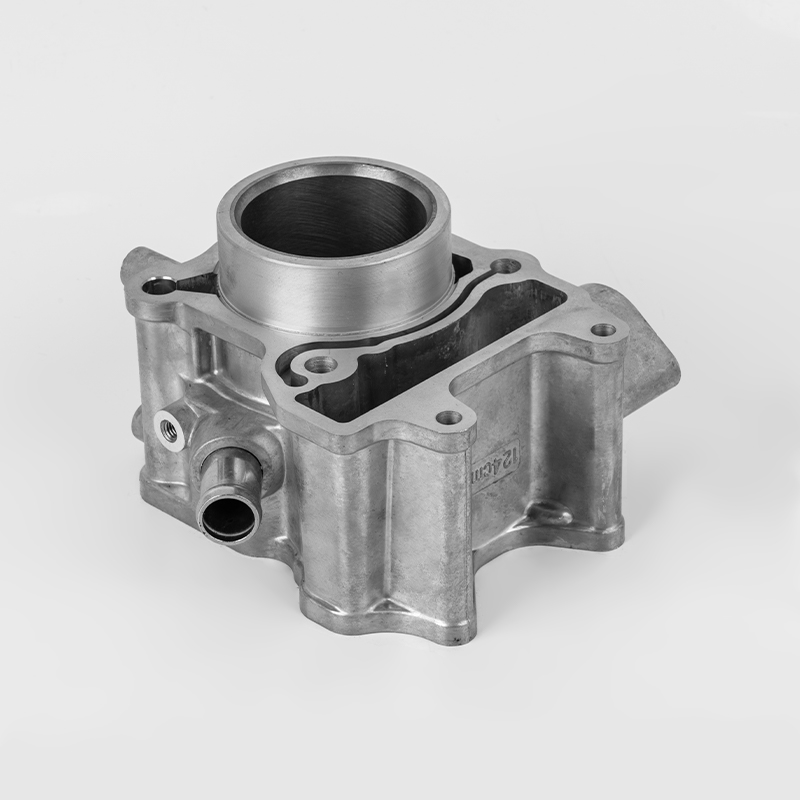
Att hålla 119 hk tillgängligt på lång sikt innebär att följa det underhållsschema som Yamaha har utformat kring motorns specifika egenskaper. MT-09:s inline-trea går varmare än en tvilling med större slagvolym eftersom dess cylindrar är tätare packade och förbränningshändelserna inträffar oftare per tidsenhet vid motsvarande väghastigheter. Vätskekylning hanterar värmen effektivt, men själva kylsystemet kräver uppmärksamhet.
- Kylvätskan bör bytas ut enligt det schema som anges i instruktionsboken - vanligtvis vartannat år oavsett körsträcka - för att bibehålla frostskydds- och korrosionsegenskaperna som skyddar cylinderfodrets ytor och vattenmanteln.
- Kontroller av ventilspel specificeras med 26 600 miles (42 000 km) intervaller på den nuvarande 890cc-motorn. DOHC-layouten med justering av shim-under-skopan betyder att spelrumskontroller kräver betydande demontering, men intervallet är generöst och återspeglar den robusta designen hos Yamaha Motorcycle Cylinder Head-komponenter.
- Motoroljans kapacitet är 2,9 liter (3,1 quarts) med filterbyte. Yamaha specificerar 10W-40 JASO MA2-klassad olja för de flesta klimat, med ett 10W-30-alternativ för drift i kallt väder under 5°C (41°F). Trecylindrarnas täta förbränningshändelser genererar en jämn oljetemperatur, så att bibehålla korrekt oljeviskositet är viktigare än på en tvåcylindrig design.
- Tändstift – totalt tre, en per cylinder – är åtkomliga efter att du har tagit bort bränsletanken och luftlådan. OEM NGK-pluggarna har ett rekommenderat utbytesintervall på 16 000 miles (25 600 km) vid normal användning. Att köra med slitna pluggar försämrar direkt förbränningseffektiviteten i varje Yamaha motorcykelcylinder och kommer att ge en mätbar minskning av den rena gasresponsen som MT-09 är känd för.
- Luftfiltret sitter ovanför gasspjällskropparna i luftlådan och bör inspekteras var 6 500 mil. Ett igensatt filter begränsar neddragsintagets luftflöde, vilket direkt minskar laddningstätheten som gör 890cc deplacementet effektivt. Att åka i dammiga förhållanden accelererar avsevärt filterbelastningen.
Vanliga problem rapporterade av MT-09-ägare
MT-09:s motor anses allmänt vara tillförlitlig, utan några omfattande mekaniska fel rapporterade i hela ägargemenskapen. Den vanligaste frågan – särskilt på modellerna 2014–2016 – var aggressiv gasrespons i högre körlägen som upplevdes som ryckig vid låga hastigheter. Yamaha åtgärdade detta genom mjukvaruuppdateringar och reviderade bränslekartor, och 2021 års motoromformning eliminerade egenskapen helt och hållet genom hårdvaruförändringar av insugningen och Yamahas motorcykelcylinders förbränningsgeometri. Ägare av 2017–2020-modeller kan begära synkronisering av gasspjällskroppen som en serviceartikel för att säkerställa att alla tre cylindrarna får identiska bränsle-luftblandningar, vilket avsevärt utjämnar beteendet vid låga hastigheter. 2021 och senare motorer drar nytta av snävare tillverkningstoleranser som gör gasspjällssynkroniseringen mindre kritisk som underhållsartikel.
Eftermarknadsjusteringspotential för MT-09 trecylindriga motor
För förare som vill ha mer än 119 hk i lager har MT-09:s inline-tre etablerat eftermarknadsstöd från flera prestandaleverantörer. De vanligaste modifieringarna är inriktade på insugs- och avgassystem, med ECU-ommappning som kompletterar paketet för att optimera bränsletillförseln för de reviderade luftflödesegenskaperna.
Ett komplett avgassystem – header, mid-pipe och slip-on kombinerat – kan lägga till mellan 5 och 8 hk vid bakhjulet på en korrekt kartlagd MT-09, beroende på den specifika produkten och dynoförhållandena. Samlingsrör för en trecylindrig motor måste noggrant hantera det ojämna längda primärrörsarrangemanget för att undvika att skapa destruktiva avgaspulsstörningar mellan cylindrarna. Kvalitetseftermarknadshuvuden för MT-09 använder en 3-i-1-kollektordesign som sammanfogar alla tre cylinderavgasströmmarna på ett sätt som förbättrar vridmomentet i mellanregistret snarare än att bara toppa högt varvtal.
Ett luftfilter med högt flöde som ersätter OEM-papperselementet ger blygsamma vinster på 1–3 hk och skärper gasresponsen mer märkbart genom förbättrat insugningsluftflöde till Yamahas motorcykelcylinderhuvud. Kombinerat med ett fullt avgassystem och ECU-blixt kan totala vinster på 8–12 hk uppnås på en sund basmotor. Förare som bara lägger till ett avgassystem utan en ECU-omställning riskerar en mager luft-bränsleblandning , vilket ökar förbränningstemperaturen och kan orsaka långvariga skador på kolvkronor och cylinderväggar.
ECU-ommappningsalternativ
MT-09:s ride-by-wire gassystem innebär att ECU-inställning är en mjukvaruprocess snarare än en förgasad nål och jetjustering. Flera tredjepartslösningar för trimning stöder MT-09, inklusive plug-in piggyback-moduler som fångar upp bränsleinsprutningssignaler, och full flash-lösningar som helt och hållet skriver om den vanliga ECU-kartan. Fullblixtlösningar ger generellt bättre resultat eftersom de kan optimera tändningstid, gasresponskurvor, varvtalsbegränsarläge och bränslepåfyllning över hela driftområdet samtidigt. Piggyback-moduler är begränsade till att justera bränsletillförseln inom de parametrar som lager-ECUn redan tillåter. För 890cc Yamaha motorcykelcylinder rekommenderar de flesta professionella tuners en anpassad dyno-session snarare än en standardkarta, eftersom individuella motorer, avgassystem och lokal bränslekvalitet alla producerar variation som en generisk karta inte helt kan hantera.
MT-09 Generationsjämförelse: Snabbreferens för köpare
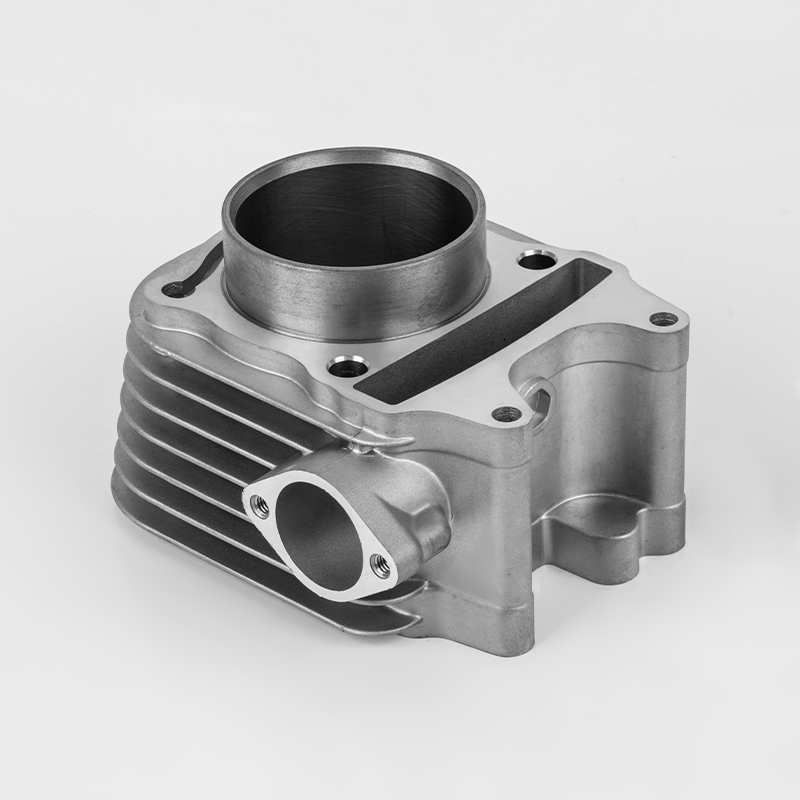
Oavsett om du köper ny eller begagnad, förstår du vilken generation av MT-09 du utvärderar hjälper det att ställa exakta prestanda- och underhållsförväntningar. Tabellen nedan sammanfattar de viktigaste specifikationerna för Yamahas motorcykelcylindrar och effektsiffror för alla produktionsår.
| Årsintervall | Förskjutning | Borrning × Stroke | Topp HP (vev) | Högsta vridmoment | Anmärkningsvärda förändringar |
|---|---|---|---|---|---|
| 2014–2016 | 847cc | 78 × 59,1 mm | 114 hk vid 10 000 rpm | 88 Nm vid 8 500 rpm | Lanseringsgenerering; 3 körlägen |
| 2017–2020 | 847cc | 78 × 59,1 mm | 115 hk vid 10 000 rpm | 88 Nm vid 8 500 rpm | Standard TC, toffelkoppling, LED |
| 2021–2023 | 890cc | 78 × 62,1 mm | 117 hk vid 10 000 rpm | 93 Nm vid 7 000 rpm | Fullständig omdesign av motorn, IMU, 8 lb lättare |
| 2024–nutid | 890cc | 78 × 62,1 mm | 119 hk vid 10 000 rpm | 93 Nm vid 7 000 rpm | Farthållare std., reviderad elektronik |
Köpare som riktar in sig på begagnatmarknaden bör fokusera på 2021 års generation som det mest betydande prestanda- och teknikhoppet i modellens historia. Kombinationen av den större cylindervolymen för Yamahas motorcykel, den fullständiga interna omdesignen och det utökade elektronikpaketet gör modellerna 2021–2023 till starka värdeerbjudanden jämfört med exemplen före 2021, som har lägre utropspriser men äldre arkitektur. För köpare som vill ha de senaste förfiningarna inklusive standardfarthållare och den senaste quickshifter-kalibreringen, är 2024 eller nyare modell det naturliga valet.